

iOS Job Templates #
A job template defines the steps that BuildPiper runs for an activity. Application creation generates a mobile job template that contains the Android and iOS build and deployment jobs. Review the template that is attached to the Service Environment before you trigger its first build or deployment.
1. Find the Mobile Job Template #
- 1
Log in to BuildPiper and open the application.
- 2
Click Job Templates.
- 3
Open the mobile template. It is typically named [application_name]_mobile-v2. The iOS example uses mobile-app-testing_mobile-v2, with template generation v2 and revision 1.0.
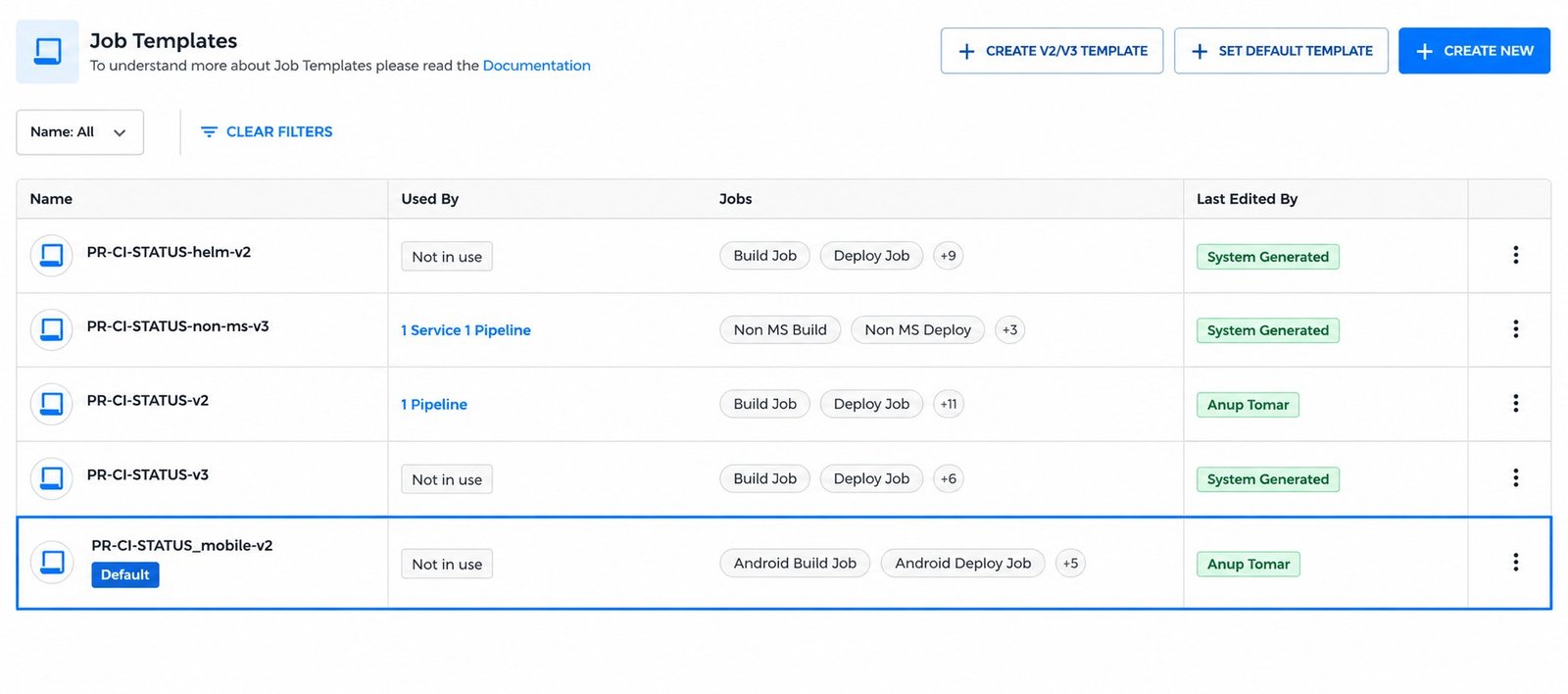
Figure 1: Job Templates page with the mobile template
2. iOS Jobs in the Template #
| iOS activity | Steps in the mobile template example |
|---|---|
| iOS Build Job | Clone Repo → iOS App Build → iOS App Push |
| iOS Deploy Job | iOS App Deploy to AppStore |
| iOS Promote Job | iOS Promote |
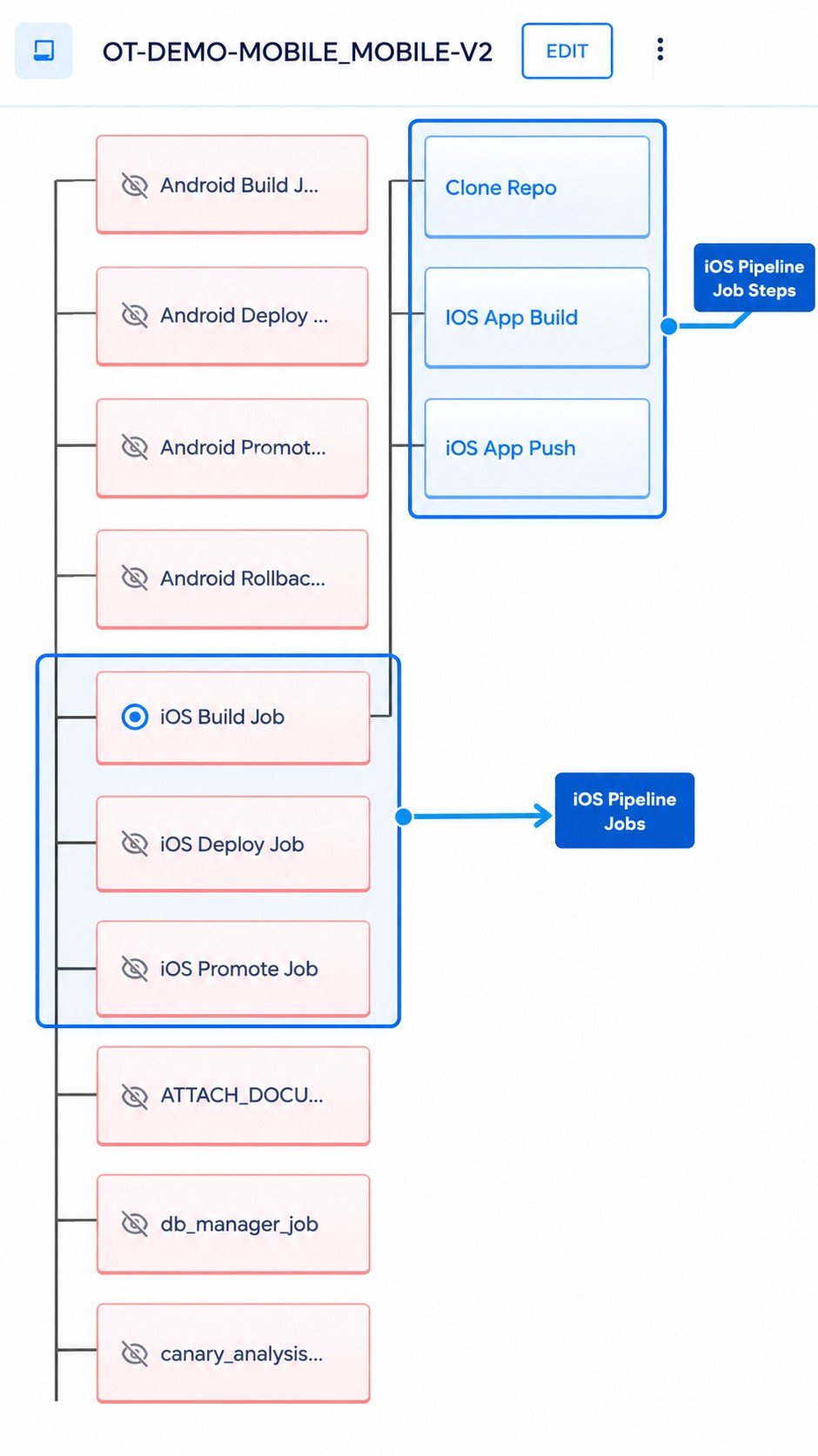
Figure 2: iOS build, deploy and promote jobs in the mobile template
Before you build, confirm that the template runs ios_build_job with CLONING_REPOSITORY, IOS_APP_BUILD and IOS_APP_PUSH. Before you deploy, confirm that it runs ios_deploy_job with IOS_APP_DEPLOY_TO_APPSTORE.
A job in the template does not run during every build. Review the iOS promotion job separately before you use it, because its presence does not define your testing, review or release policy.
Expected result: The selected template contains an iOS build job that produces and pushes the artifact, and an App Store deployment job if you need deployment.
3. Extend the Workflow #
You can add steps for your use case through Job Templates, for example a project-specific quality check before the artifact is published. Review the execution order and the template version that the service selects before you run the modified workflow.
Read more: Job Templates (Microservice Workload)
Job Template V2 and V3 Documentation